

What is the ‘United Nations General Assembly’?
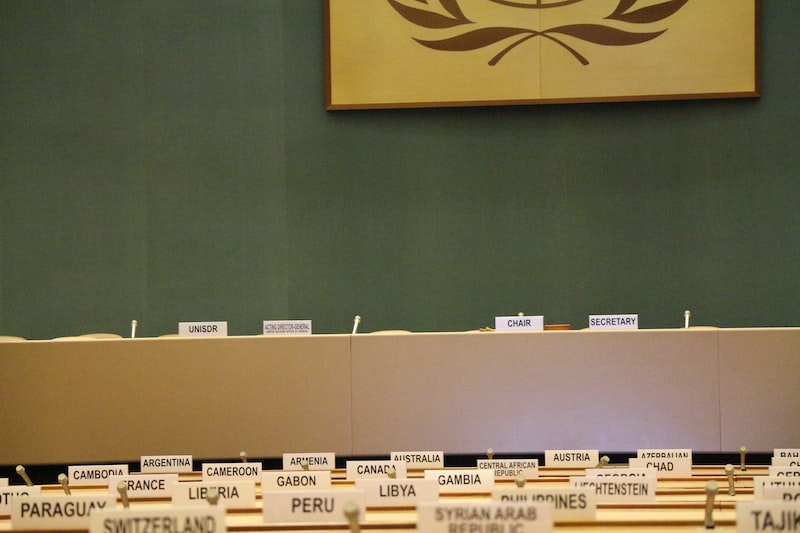
Have you ever wondered what the ‘United Nations General Assembly’ is? Well, let me take you on a journey to explore this fascinating global institution. The United Nations General Assembly (UNGA) is a gathering of all 193 member states of the United Nations (UN), making it the main deliberative and policy-making body of the organization.
Think of the UNGA as a grand assembly of nations, where world leaders come together to discuss and address pressing global issues. It serves as a platform for diplomatic dialogue, where countries can express their views, present solutions, and engage in negotiations on matters of international importance.
One of the key roles of the UNGA is to promote peace, security, and development worldwide. Every year, during the UNGA’s annual session, world leaders flock to the UN headquarters in New York City. This event, often referred to as “UN Week,” becomes a hub of intense diplomatic activity. Heads of state or government deliver speeches from the iconic General Assembly Hall, sharing their country’s perspectives and priorities on various global challenges.
But the UNGA is not just about high-level political discussions. It also provides a platform for other stakeholders, such as civil society organizations and non-governmental entities, to contribute to the global dialogue. These actors participate in side events, forums, and panel discussions organized during the General Assembly session, adding diverse perspectives and expertise to the mix.
Importantly, the decisions made in the UNGA are not legally binding. However, they hold significant moral and political weight. Resolutions adopted by the UNGA reflect the collective will of the international community, expressing shared values, principles, and aspirations. They can influence national policies, shape international norms, and guide the work of specialized UN agencies and programs.
In summary, the United Nations General Assembly is an awe-inspiring arena where nations come together to discuss, debate, and collaborate on global issues. From fostering peace and security to advancing sustainable development goals, the UNGA plays a vital role in shaping our collective future. Now that you have a glimpse into the world of the United Nations General Assembly, take a moment to appreciate this remarkable platform for global cooperation.
Exploring the Powerhouse of Diplomacy: Unveiling the Purpose and Functions of the United Nations General Assembly
Have you ever wondered how countries come together to address global issues and maintain peace? Enter the United Nations General Assembly (UNGA), a dynamic and influential body that plays a pivotal role in international diplomacy. In this article, we will delve into the purpose and functions of the UNGA, unraveling its significance on the world stage.
At its core, the UNGA serves as a platform for all 193 member states of the United Nations to gather, deliberate, and make decisions on pressing global matters. It is like a grand forum where nations can voice their concerns, share perspectives, and foster understanding. The UNGA acts as a symbol of unity, representing the diversity of nations and their collective pursuit of peace, security, and development.
One of the primary purposes of the UNGA is to promote international cooperation and multilateralism. Through lively debates and discussions, member states can engage in diplomacy, negotiation, and consensus-building on a wide range of issues, including peacekeeping, human rights, sustainable development, and climate change. This assembly provides an opportunity for governments to forge alliances, build partnerships, and exchange ideas to tackle shared challenges.
Moreover, the UNGA functions as a policymaking body within the UN system. Resolutions adopted by the General Assembly are not legally binding, but they carry significant political weight and serve as powerful expressions of international opinion. These resolutions can shape global norms, influence national policies, and guide the work of specialized UN agencies and programs.
Another vital function of the UNGA is the election of non-permanent members to the Security Council and other key UN bodies. This democratic process ensures fair representation and allows diverse voices to contribute to decision-making processes. Additionally, the General Assembly elects the UN Secretary-General, who acts as the chief diplomat and administrative head of the organization.
the United Nations General Assembly stands as a powerhouse of diplomacy, fostering collaboration, shaping policies, and promoting global cooperation. Through its purposeful functions, it facilitates dialogue, consensus-building, and decision-making among nations. This gathering of minds embodies the spirit of international unity and serves as a testament to the enduring pursuit of peace and progress for all humanity.
The United Nations General Assembly: A Global Forum for Collaboration and Decision-Making
Have you ever wondered where the world’s leaders gather to discuss pressing global issues? Look no further than the United Nations General Assembly (UNGA), a prominent international forum that serves as a platform for collaboration and decision-making among member states. This annual gathering brings together representatives from 193 countries, making it one of the most inclusive and diverse assemblies in the world.
At its core, the UNGA aims to promote peaceful resolutions and address key challenges facing humanity. It provides an opportunity for nations to voice their concerns, share ideas, and collectively work towards finding solutions. With a primary focus on international peace and security, sustainable development, and human rights, the UNGA plays a vital role in shaping the course of global affairs.
One of the unique features of the UNGA is its equal representation principle. Each member state, regardless of its size or influence, has an equal vote and voice. This ensures that every nation has the opportunity to actively participate in discussions and decision-making processes. Such inclusivity fosters a sense of ownership and encourages cooperation among nations, with the ultimate goal of creating a more just and equitable world.
During the General Debate, which marks the opening of each session, world leaders take center stage to address the assembly. This high-level segment offers a platform for heads of state and government to express their viewpoints, share national priorities, and propose strategies for addressing global challenges. It serves as a unique opportunity for direct engagement and diplomacy between nations, fostering dialogue and understanding.
Moreover, the UNGA functions as a hub for negotiating and adopting international agreements. From landmark declarations, such as the Universal Declaration of Human Rights, to crucial frameworks like the Sustainable Development Goals, the General Assembly has been instrumental in shaping the international legal landscape. It provides a space for consensus-building, facilitating multilateralism, and forging partnerships to tackle common issues.
the United Nations General Assembly serves as a crucial global forum where nations come together to collaborate and make decisions on matters of international importance. Its inclusive nature, equal representation, and focus on peace, development, and human rights make it an essential platform for fostering cooperation and finding solutions to shared challenges. Through its deliberations and agreements, the UNGA continues to shape the course of global affairs, striving for a better future for all of humanity.
From Policy Debates to Iconic Speeches: Unraveling the Significance of the United Nations General Assembly
The United Nations General Assembly (UNGA): a gathering that transcends political boundaries, where world leaders convene to discuss global challenges and forge solutions together. It is an unparalleled platform for policy debates and iconic speeches, capturing the attention of nations across the globe. But what exactly makes the UNGA significant? Let’s delve into the depths of this international forum and unravel its importance.
At its core, the UNGA serves as a hub for policy debates. It provides a platform for member states to express their views, engage in diplomatic negotiations, and shape global agendas. From human rights and climate change to peacekeeping and economic development, no topic is off-limits. These discussions lay the groundwork for international cooperation and help build consensus among diverse nations.
However, the UNGA is not just about policy wonks and diplomats engaging in dry debates. It is also a stage for iconic speeches that capture the world’s attention. Leaders such as Nelson Mandela, Mahatma Gandhi, and Martin Luther King Jr. have graced the podium, delivering impassioned addresses that have reverberated throughout history. Their words have inspired generations, sparking movements and driving change. The UNGA provides an extraordinary platform for leaders to amplify their messages and rally support for their causes.
Beyond policy debates and speeches, the UNGA holds immense significance in shaping global norms and fostering international cooperation. Resolutions passed by the General Assembly carry symbolic weight and often serve as catalysts for action. They can address pressing issues, condemn human rights abuses, or establish frameworks for cooperation. Through its resolutions, the UNGA acts as a moral compass, guiding nations towards a shared vision of a better world.
the United Nations General Assembly is far more than just a gathering of world leaders. It is a crucible of ideas, where policy debates and iconic speeches intertwine to shape the course of international affairs. From its role in fostering global cooperation to its ability to inspire change, the UNGA stands as a testament to the power of diplomacy and dialogue. As we navigate an increasingly complex world, the significance of this international forum remains unwavering, providing hope for a brighter future.
Uniting Nations in Action: A Look into the United Nations General Assembly’s Impact on Global Affairs
The United Nations General Assembly (UNGA) serves as a vital platform for nations around the world to come together and address global issues. With its wide representation and ability to foster diplomatic dialogue, the UNGA plays a crucial role in shaping international relations and influencing global affairs.
One remarkable aspect of the UNGA is its inclusivity. Unlike other UN bodies where only member states have a voice, the UNGA allows each member country to participate and express their views on pressing matters. This democratic approach ensures that all nations, regardless of their size or influence, have an opportunity to contribute to discussions and decision-making processes.
Moreover, the UNGA acts as a forum that encourages collaboration and cooperation among nations. It provides a platform for diplomats, leaders, and representatives from diverse cultural backgrounds to engage in constructive dialogues, negotiate agreements, and build consensus on critical issues. Through this exchange of ideas and perspectives, the UNGA facilitates the creation of multilateral solutions to complex global challenges.
When it comes to global affairs, the UNGA has a significant impact. Resolutions passed by the General Assembly carry moral weight and serve as guides for international action. While they may not be legally binding, these resolutions reflect the collective will of the international community, sending powerful messages and setting the agenda for global discourse.
Furthermore, the UNGA plays a pivotal role in addressing pressing humanitarian crises and promoting sustainable development. It serves as a platform to raise awareness about issues such as poverty, hunger, climate change, and human rights abuses. By fostering dialogue and facilitating partnerships between governments, civil society organizations, and the private sector, the UNGA strives to find innovative solutions and mobilize resources to tackle these challenges.