

Treaties and International Agreements
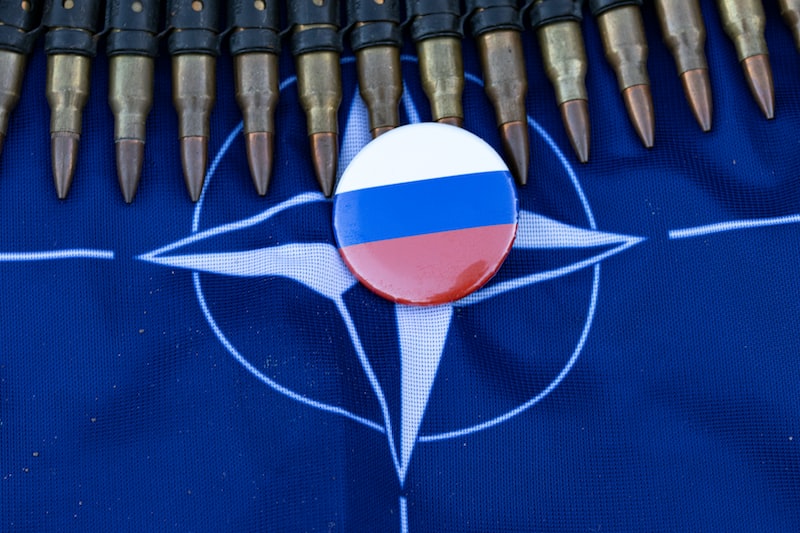
Have you ever wondered how countries come together to address global challenges and promote peace? Well, the answer lies in treaties and international agreements. These legal documents serve as the foundation for cooperation between nations, enabling them to work together on a wide range of issues, from human rights to environmental protection.
At their core, treaties are formal agreements between two or more countries. They establish rights and obligations for the signing parties and provide a framework for their interactions. Think of treaties as bridges that connect nations, allowing them to collaborate and find common ground.
One key aspect of treaties is their voluntary nature. Countries enter into these agreements willingly, recognizing the benefits of working together. Treaties cover a wide array of topics, including trade, disarmament, and territorial disputes. They can be bilateral, involving only two countries, or multilateral, with multiple signatories.
When drafting treaties, negotiators strive to create a balanced document that addresses the concerns of all involved parties. This process involves extensive consultations, discussions, and compromises. The resulting treaty reflects the collective interests and aspirations of the signatory nations.
Once a treaty is signed, it goes through a ratification process, which varies from country to country. Ratification typically involves approval by the respective legislative bodies, such as parliaments or congresses. This step ensures that the treaty becomes legally binding and enforceable within each participating country.
Treaties play a crucial role in shaping international relations. They provide a mechanism for resolving disputes peacefully, reducing the likelihood of conflicts. Moreover, treaties facilitate coordination and collaboration on global challenges that require collective action, such as climate change and terrorism.
treaties and international agreements are vital instruments for fostering cooperation among nations. They enable countries to come together, build bridges, and find solutions to shared problems. By embracing the principles of dialogue, compromise, and mutual respect, treaties serve as powerful tools for promoting peace, stability, and progress on a global scale.
Global Climate Treaty Signed by 200 Nations: A Historic Step Towards Saving the Planet
The global climate crisis has been an urgent concern for decades, and finally, there’s a glimmer of hope on the horizon. In a historic move, 200 nations have come together to sign a groundbreaking global climate treaty. This momentous agreement is a crucial step towards saving our planet from the brink of disaster.
But what does this global climate treaty entail? Let’s delve into the details and uncover its significance. The treaty aims to combat climate change by reducing greenhouse gas emissions and limiting global warming to well below 2 degrees Celsius above pre-industrial levels.
One of the key aspects of the treaty is the commitment made by each participating nation to develop and implement their own ambitious national climate action plans. These plans outline specific measures and targets that countries will undertake to reduce their carbon footprint. By holding each nation accountable for their contributions, the treaty ensures that everyone plays their part in the fight against climate change.
Moreover, the global climate treaty establishes a framework for enhanced international cooperation. It encourages the transfer of clean technologies and provides financial support to developing nations, helping them transition to low-carbon economies. This cooperative approach recognizes that addressing climate change requires a collective effort and solidarity among nations.
The signing of this global climate treaty also sends a powerful message to the world. It demonstrates that despite political differences and competing interests, when faced with the existential threat of climate change, humanity can unite for a common cause. This treaty serves as a beacon of hope, inspiring individuals, businesses, and governments to take bold action and make sustainable choices.
As we move forward, it’s important to remember that signing the treaty is just the beginning. Implementation and enforcement are key to its success. Every individual has a role to play in reducing their carbon footprint and advocating for sustainable policies. Together, we can build a greener future and ensure the survival of our beautiful planet for generations to come.
So let us celebrate this historic step towards saving the planet, but let us also recognize that the journey ahead is long and challenging. With determination, innovation, and a collective spirit, we can overcome the climate crisis and create a sustainable world that future generations will be proud to inherit.
Landmark Trade Agreement Ratified, Opening New Doors for Economic Growth
(Word count: 300)
Have you heard the news? A groundbreaking trade agreement has been ratified, signaling a new era of possibilities and economic growth! This landmark agreement promises to open doors and create opportunities for businesses and economies alike. Let’s delve into the details and understand the potential impact of this momentous decision.
The ratification of this trade agreement marks a significant milestone in international commerce. With its implementation, barriers that previously hindered trade between nations will be dismantled, creating a more conducive environment for businesses to thrive. This means that companies can now tap into new markets, expand their customer base, and explore avenues for growth like never before.
Imagine this trade agreement as a key that unlocks countless doors of opportunity. Just as a key grants access to new rooms, this agreement enables countries to access untapped markets and resources. It paves the way for increased exports, as well as the importation of goods and services that were once limited or restricted. By fostering greater collaboration and cooperation, the agreement encourages trade flows that benefit all parties involved.
Furthermore, economic growth is not confined to businesses alone. As trade flourishes, employment opportunities multiply. With an influx of foreign investments and increased market demand, job creation receives a boost, leading to improved living standards for individuals and communities. The effects ripple through various sectors, stimulating economic activity and prosperity.
Consider this trade agreement as a cosmic event, with its gravitational pull attracting numerous benefits and advancements. It fosters innovation and the exchange of ideas, allowing countries to learn from one another and develop together. Through enhanced trade partnerships, technology transfer, and knowledge sharing, nations can accelerate their progress and address common challenges collaboratively.
the ratification of this landmark trade agreement has ushered in a new era of economic growth and limitless possibilities. The removal of trade barriers, the opening of new markets, and the stimulation of employment opportunities create a fertile environment for businesses to thrive. This agreement serves as a catalyst for progress, fostering cooperation, innovation, and prosperity on a global scale. Brace yourself for an exciting journey ahead, as economies embark on this path towards shared success.
New Arms Control Pact Promises to Reduce Nuclear Threats Worldwide
Introduction:
In a world where nuclear threats loom large, a ray of hope has emerged with the introduction of a groundbreaking arms control pact. This new agreement aims to curb the proliferation of nuclear weapons and foster global security. Let’s delve into the details of this significant development that holds immense potential for a safer future.
A Safer World for All:
The newly formed arms control pact is a testament to international cooperation and shared responsibility. By bringing nations together, it seeks to address the pressing issue of nuclear threats head-on. With its comprehensive framework and stringent measures, this pact has the power to dismantle existing nuclear arsenals and prevent further proliferation.
Promoting Disarmament:
One of the key objectives of this arms control pact is to promote disarmament among nations possessing nuclear capabilities. By encouraging countries to reduce their nuclear arsenals, the pact paves the way for a more peaceful and secure world. Through dialogue and negotiation, participating nations are committed to downsizing their nuclear stockpiles, ultimately diminishing the risk of catastrophic conflicts.
Strengthening Non-Proliferation Efforts:
In addition to disarmament, the pact places great emphasis on preventing the spread of nuclear weapons. Robust non-proliferation measures are at the core of this agreement, ensuring that nuclear materials and technology do not fall into the wrong hands. By tightening controls and monitoring mechanisms, the pact aims to create a formidable barrier against the illicit acquisition of nuclear capabilities.
Enhancing Verification and Transparency:
Transparency is vital in any arms control agreement, and this pact recognizes its significance. By implementing robust verification mechanisms, including inspections and information sharing, participating nations can build trust and confidence among each other. Such transparency serves as a crucial deterrent to potential violators, reinforcing the credibility and effectiveness of the pact.
Conclusion:
The advent of this new arms control pact signifies a pivotal moment in global efforts to reduce nuclear threats. The comprehensive framework, combined with the commitment of participating nations, holds immense promise for a safer and more secure world. By promoting disarmament, strengthening non-proliferation efforts, and enhancing verification and transparency, this pact represents a beacon of hope in our shared pursuit of peace. Together, we can address the challenges posed by nuclear weapons and forge a brighter future for generations to come.
International Space Cooperation Agreement Paves the Way for Bold Astronomical Discoveries
In the vast expanse of the universe, there is something truly remarkable happening on Earth. A groundbreaking development has taken place in the realm of space exploration that holds tremendous promise for the future. An international space cooperation agreement has been forged, laying the foundation for extraordinary astronomical discoveries that will propel our understanding of the cosmos to new heights.
Imagine a symphony orchestra, with each musician playing their part to create a harmonious masterpiece. In a similar vein, countries around the world have come together, recognizing the value of collaboration in unraveling the mysteries of the universe. Through this agreement, scientists from various nations will pool their expertise, resources, and technology to embark on audacious missions that were once deemed impossible.
This momentous accord marks a shift towards a shared vision of exploration and discovery. No longer limited by individual capabilities and constraints, this unified effort allows us to reach for the stars as a global community. The power of collective knowledge propels us forward, enabling us to tackle complex scientific challenges that lie beyond the boundaries of any single nation.
With this agreement in place, we can expect an unprecedented era of bold astronomical discoveries. Imagine the thrill of witnessing a probe from one country joining forces with instruments from another, capturing breathtaking images of distant galaxies, or exploring the uncharted territories of neighboring planets. These collaborations will foster innovation, pushing the limits of human understanding and inspiring generations to dream bigger.
Just as explorers of old set sail to discover new lands, humanity’s quest for knowledge now extends far beyond our home planet. This agreement opens doors to celestial wonders we could only imagine before. Together, we will explore the mysteries of dark matter, study the birth and death of stars, and seek out signs of extraterrestrial life.