

United Nations Security Council
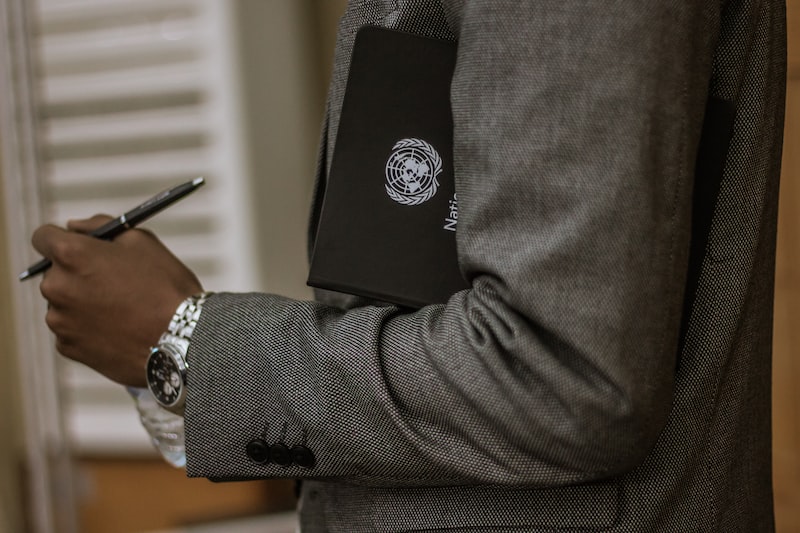
Imagine a world without a collective effort to maintain peace and security. Chaos would reign, conflicts would escalate, and the consequences would be dire. Thankfully, the United Nations Security Council (UNSC) exists as a beacon of hope, working tirelessly to ensure international stability. In this article, we will delve into the details of this influential body and explore its vital role in maintaining global peace.
At its core, the UNSC is responsible for maintaining international peace and security. Acting as an international watchdog, it addresses threats to peace and takes prompt action to resolve disputes. With 15 member states, including five permanent members—China, France, Russia, the United Kingdom, and the United States—the council embodies diversity and represents different regions of the world.
One might wonder: what gives the UNSC its authority? Well, it possesses the power to make decisions that are binding on all UN member states. This authority stems from the United Nations Charter, which grants the Security Council the primary responsibility for maintaining international peace and security. Its decisions carry significant weight and demand compliance from member states.
To effectively carry out its mission, the UNSC employs various tools at its disposal. These include diplomatic negotiations, economic sanctions, arms embargoes, and even the authorization of military intervention when peaceful means fail. Such measures serve to deter aggression, promote dialogue, and foster peaceful resolutions among nations.
Picture the Security Council as a vigilant guardian, constantly scanning the global horizon for potential threats. It closely monitors ongoing conflicts, such as the situation in the Middle East or the Korean Peninsula, and intervenes when necessary. By swiftly responding to crises, the council aims to prevent hostilities from escalating into full-blown wars and mitigate human suffering.
To summarize, the United Nations Security Council stands as an essential pillar of global peace and security. Through its authority, diverse membership, and range of tools, it plays a crucial role in preventing conflicts and safeguarding the well-being of nations. By promoting dialogue, mediating disputes, and taking decisive action when needed, the UNSC contributes to a more peaceful and secure world for all.
United Nations Security Council Imposes New Sanctions to Curb Global Security Threats
The United Nations Security Council, in its unwavering commitment to global security, has taken a momentous step by imposing new sanctions aimed at curbing emerging threats around the world. These unprecedented measures signify a resolute determination to maintain peace and stability on a global scale.
With an ever-evolving landscape of security challenges, the need for effective and immediate action cannot be overstated. The United Nations, as a beacon of international cooperation, recognizes that traditional diplomatic efforts alone are insufficient in addressing the complex threats we face today. These new sanctions serve as a powerful tool to confront these global security concerns head-on.
But what exactly do these sanctions entail? In simple terms, they involve a range of punitive actions imposed on countries or individuals suspected of engaging in activities that pose a threat to international peace. By imposing economic, political, or military restrictions, the Security Council aims to deter and discourage such behavior, promoting stability and safeguarding nations from potential harm.
These sanctions act as a potent countermeasure against various transgressions, such as terrorism, nuclear proliferation, human rights abuses, and arms trafficking. By targeting the financial networks, trade routes, and diplomatic channels that facilitate these illicit activities, the Security Council aims to disrupt their operations and prevent further harm.
Imagine these sanctions as a comprehensive security net, capturing those who seek to undermine global stability. They serve as a warning signal, deterring potential wrongdoers and reminding them of the consequences that await those who choose to disregard international norms and values.
It is important to note that these sanctions are not designed to punish entire populations, but rather those responsible for the security threats. By targeting specific entities or individuals, the aim is to isolate and pressure them into changing their behavior or ceasing their harmful activities altogether.
the United Nations Security Council’s imposition of new sanctions represents a proactive and instrumental approach to tackle the multifaceted challenges that threaten global security. By employing targeted measures, the Council aims to deter and disrupt those who pose a danger to international peace. These sanctions are a testament to the international community’s resolve to maintain a safe and stable world for all, underscoring the crucial role of collective action in addressing global security threats head-on.
Historic UN Security Council Resolution Passes Unanimously, Promising Peace and Stability
Introduction:
In a remarkable moment of unity and hope, the United Nations Security Council has achieved an unprecedented feat by passing a historic resolution unanimously. This groundbreaking decision reflects a collective commitment to fostering peace and stability in our tumultuous world. The unanimous approval underscores the gravity and significance of this resolution, representing a beacon of hope for nations striving to overcome conflicts and build a prosperous future. Let’s delve into the details of this momentous event and explore its potential impact on global affairs.
Main Body:
The passage of this historic UN Security Council resolution marks a turning point in diplomatic efforts to maintain peace worldwide. By gaining the unanimous support of all member states, the resolution sends a resounding message that cooperation and collaboration supersede individual interests. Through this landmark decision, the international community reaffirms its dedication to resolving conflicts peacefully while promoting stability and security on a global scale.
One cannot overlook the immense amazement that arises from witnessing all 15 members of the Security Council standing together, transcending their differences, and committing to a shared vision of a harmonious world. This unanimity signifies the recognition of common goals and the understanding that no nation can thrive in isolation. It is a powerful display of the potential for diplomacy to triumph over division.
This resolution holds tremendous promise for addressing some of the most pressing challenges facing humanity. By addressing root causes and working towards long-term solutions rather than temporary fixes, it paves the way for sustainable peace. The document outlines comprehensive strategies to prevent and resolve conflicts through dialogue, cooperation, and mediation. It emphasizes the importance of upholding human rights, promoting social justice, and fostering inclusive development as fundamental pillars of lasting peace.
Analogously, this unanimous resolution resembles a symphony orchestra where each instrument contributes its unique sound to create a harmonious melody. Similarly, every member state’s commitment to working together amplifies the impact of this resolution, fostering an environment where peace and stability can flourish. Just as individual notes come together to create a beautiful symphony, the collective actions of nations shape a world where people can live without fear and uncertainty.
Conclusion:
The unanimous passage of this historic UN Security Council resolution stands as a testament to the power of unity and collaboration in overcoming global challenges. By prioritizing peace and stability, member states have taken a significant step towards building a brighter future for all. Through dialogue, cooperation, and a shared commitment, we move closer to a world where conflicts are resolved peacefully, and societies thrive in an environment of stability and security. Let this moment be a catalyst for further cooperation, ensuring that the promise of peace becomes a reality for generations to come.
Security Council Summit: World Leaders Tackle Urgent Global Challenges Head-On
The Security Council Summit brings together world leaders to address urgent global challenges head-on. In this high-stakes gathering, key decision-makers come together to discuss and find solutions to pressing issues that affect the stability and security of nations worldwide. The summit serves as a platform for powerful nations to engage in dialogue, negotiate, and collaborate on matters of international concern.
During the Security Council Summit, world leaders convene to deliberate on diverse topics such as conflict resolution, nuclear disarmament, terrorism, climate change, humanitarian crises, and more. These discussions aim to foster cooperation, strengthen global partnerships, and devise strategies that can effectively address these complex problems.
One of the primary goals of the Security Council Summit is to promote peace and prevent conflicts. By engaging in open conversations and negotiations, leaders seek diplomatic resolutions to ongoing disputes, reducing the risk of violence and instability. They explore innovative approaches, seeking common ground and compromise to build a safer and more harmonious world.
Addressing urgent global challenges requires collective action. The Security Council Summit encourages nations to work together, pooling their resources, knowledge, and expertise to tackle shared threats. Through collaboration, countries can leverage their strengths and overcome barriers to find sustainable solutions that benefit all nations involved.
The Security Council Summit is not just an arena for formal deliberations; it also provides an opportunity for leaders to build personal relationships and trust. Informal interactions and bilateral meetings on the sidelines of the summit allow for candid discussions, where leaders can express their concerns, share perspectives, and explore avenues for cooperation outside the constraints of formal proceedings.
the Security Council Summit serves as a crucial platform for world leaders to confront urgent global challenges head-on. Through dialogue, negotiation, and collaboration, they strive to find solutions to complex issues, promote peace and stability, and address the pressing concerns of our interconnected world. By harnessing collective action and fostering international partnerships, the summit aims to create a safer, more prosperous, and sustainable future for all nations.
Controversial Veto Power Debate Rages in UN Security Council
The debate surrounding the controversial veto power in the UN Security Council has been a topic of great interest and contention among global leaders and citizens alike. The very essence of this power, which grants permanent members the ability to block any resolution they deem unfavorable, has sparked intense discussions on its effectiveness and fairness.
But why is this veto power such a bone of contention? Well, it boils down to the question of whether it promotes or hampers the core principles of democracy and equality that the United Nations stands for. On one hand, supporters argue that the veto power ensures that major powers have a say in critical decisions, preventing resolutions that could potentially impede their national interests. This viewpoint highlights the importance of maintaining stability and avoiding hasty actions driven by majority opinions.
However, critics claim that the veto power undermines the democratic ideals upon which the United Nations was founded. They argue that it allows a handful of nations to exert disproportionate influence over global affairs, making the Security Council prone to gridlock and hindering effective decision-making. Such a concentration of power, they contend, perpetuates an unequal world order and diminishes the voices of smaller nations.
This ongoing debate has seen passionate arguments from both sides. Those in favor of the veto power believe it is a necessary tool for preserving sovereignty and protecting vital interests. Meanwhile, opponents view it as an outdated relic that thwarts progress and prevents the international community from effectively addressing pressing issues such as human rights abuses and armed conflicts.
Finding a consensus on this matter seems elusive, as any attempt to amend or abolish the veto power requires the agreement of the very countries that possess it. Nevertheless, the discussion remains crucial in shaping the future direction of the United Nations and its ability to address global challenges.
the controversy surrounding the veto power in the UN Security Council is far from settled. While some argue for its necessity in maintaining stability and protecting national interests, others criticize it for undermining democratic principles and perpetuating global inequality. This ongoing debate reflects the complex nature of international diplomacy and the need for continued dialogue to shape a more effective and inclusive global governance system.