

Human Rights
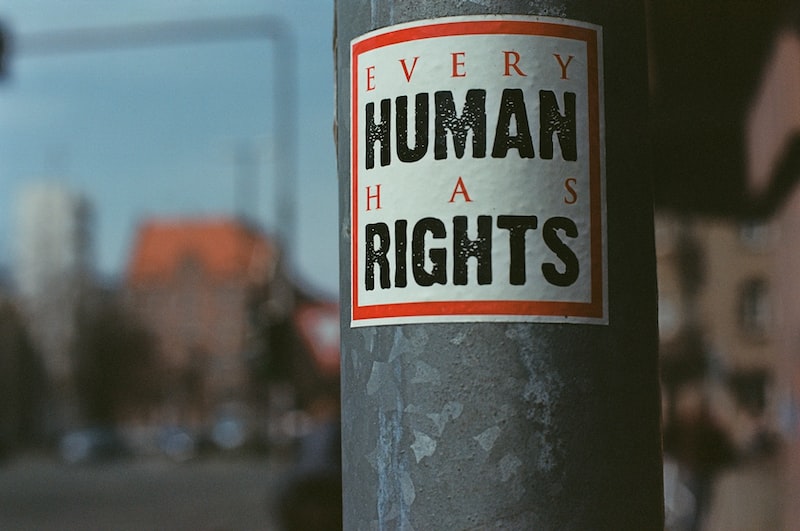
Introduction:
Have you ever thought about the fundamental rights that every person deserves, simply by virtue of being human? These rights, known as human rights, are the cornerstone of a fair and just society. In this article, we will delve into the intricacies of human rights, exploring their significance, principles, and impact on individuals and communities.
Understanding Human Rights:
At its core, human rights encompass the basic liberties and entitlements that all individuals should enjoy without discrimination or oppression. They form the foundation for equality, justice, and dignity. Human rights are universal, meaning they apply to every person, regardless of their nationality, race, gender, or any other characteristic. They aim to protect individuals’ inherent worth and recognize their needs, aspirations, and freedoms.
Key Principles of Human Rights:
Human rights are guided by several key principles that shape their implementation and protection. These principles include universality, indivisibility, and interdependence. Universality means that human rights belong to all people, irrespective of their cultural background or beliefs. Indivisibility refers to the interconnectedness of various rights, recognizing that civil, political, economic, social, and cultural rights are intertwined and mutually reinforcing. Interdependence highlights the need for balanced progress in all rights areas to achieve overall well-being and societal development.
Impact on Individuals and Communities:
The recognition and protection of human rights have profound implications for individuals and communities alike. Human rights empower individuals by providing them with a sense of security, freedom, and self-determination. They enable people to participate fully in society, express their opinions, access education and healthcare, and pursue their dreams. Additionally, human rights foster inclusivity, social justice, and peaceful coexistence among diverse groups, promoting harmony and understanding.
Conclusion:
In summary, human rights are the fundamental rights and freedoms that every person is entitled to by virtue of being human. They are universal, indivisible, and interdependent, ensuring equality, justice, and dignity for all. Human rights empower individuals, allowing them to lead fulfilling lives and contribute to the betterment of society. By upholding human rights, we create a world that values and respects the inherent worth of every human being. Together, let us strive for a future where human rights are cherished, protected, and enjoyed by all.
Breaking Barriers: Advocates Push for Stronger Human Rights Protections Worldwide
In a world filled with diverse cultures, languages, and ideologies, the concept of human rights stands as a universal pillar that unites us all. Despite progress made over the years, there are still countless challenges and obstacles that hinder the full realization of these rights worldwide. However, passionate advocates and activists are tirelessly working to break down these barriers and push for stronger human rights protections across the globe.
One of the key issues that advocates are addressing is the prevalence of discrimination and inequality. Every human being deserves equal treatment, regardless of their race, gender, sexual orientation, or social status. By shedding light on these injustices and demanding change, advocates strive to create a fairer and more inclusive society. Their efforts range from grassroots movements that empower marginalized communities to lobbying for policy changes at the highest levels of government.
Access to education and healthcare is another critical aspect of human rights that requires urgent attention. Millions of people around the world lack access to quality education and essential medical services, depriving them of the opportunity to lead fulfilling lives. Advocates are campaigning for increased investment in education and healthcare infrastructure, emphasizing the importance of providing equal access to these fundamental rights. By doing so, they aim to uplift disadvantaged individuals and bridge the gap between different social strata.
Furthermore, advocates are fighting against oppressive regimes and authoritarian governments that suppress freedom of expression and stifle dissenting voices. They understand that an informed and engaged citizenry is crucial for democracy and the protection of human rights. Through various means, including peaceful protests, digital activism, and international pressure, these advocates challenge oppressive systems and demand accountability from those in power.
the journey towards stronger human rights protections worldwide is a collective effort led by dedicated individuals who refuse to accept the status quo. By highlighting issues such as discrimination, unequal access to education and healthcare, and oppressive governance, these advocates are breaking barriers and inspiring change. Their unwavering commitment to human rights serves as a beacon of hope, reminding us all that a more just and inclusive world is within our reach. Will you join them in this transformative journey?
New Report Exposes Widespread Human Rights Abuses in Global Supply Chains
Introduction:
Have you ever stopped to think about the products we use every day and where they come from? A shocking new report has shed light on a dark reality that many of us are unaware of – widespread human rights abuses in global supply chains. In this article, we will delve into the key findings of this eye-opening report and explore the urgent need for action.
The Harsh Reality:
The report uncovers a disturbing truth: behind the shiny packaging and enticing advertisements lie stories of exploitation and suffering. From sweatshops to forced labor, workers around the world endure deplorable conditions while producing the goods we consume. This grave situation extends across various industries, including fashion, electronics, agriculture, and more.
Exploitative Labor Practices:
One of the most distressing revelations outlined in the report is the prevalence of exploitative labor practices. Workers are often subjected to long hours, low wages, and hazardous working conditions. In some cases, child labor is rampant, depriving children of their childhood and education. These abuses not only violate basic human rights but also perpetuate cycles of poverty and inequality.
Environmental Impact:
The report also highlights the environmental toll of these supply chains. Unsustainable practices such as deforestation, pollution, and resource depletion are common occurrences. The pursuit of profit often takes precedence over ecological well-being, resulting in irreparable damage to our planet.
Role of Corporations:
While the report sheds light on the dark side of global supply chains, it also emphasizes the role of corporations in addressing these issues. As consumers, we have the power to demand change by supporting companies that prioritize ethical sourcing and fair labor practices. Moreover, corporations must take responsibility for their supply chains and enact robust measures to ensure human rights are respected at every stage.
Importance of Regulation:
To combat these human rights abuses effectively, stronger regulations are urgently needed. Governments must enact and enforce laws that hold businesses accountable for their supply chains. International collaboration is crucial, as these abuses transcend borders. By working together, we can establish a global framework that safeguards human rights and protects vulnerable workers.
Conclusion:
The new report on widespread human rights abuses in global supply chains has opened our eyes to the harsh realities faced by workers worldwide. It is imperative that we take action to demand change from corporations and governments alike. By championing transparency, ethical sourcing, and responsible business practices, we can create a more just and equitable world for all.
Landmark Court Ruling Sets Precedent for Gender Equality in the Workplace
Introduction:
What if I told you that a single court ruling could significantly impact the fight for gender equality in the workplace? Well, get ready to be amazed because a groundbreaking court decision has set a new precedent that has the potential to revolutionize the way we perceive and attain equality in our professional lives. In this article, we will delve into the details of this landmark court ruling and explore how it paves the way for greater gender equality in the workplace.
The Power of Precedent:
Precedents possess immense power in the legal system, acting as guiding principles for future cases. They establish a standard that other courts can refer to when making decisions on similar matters. In the case of gender equality, this recent court ruling has the potential to create a ripple effect, influencing future judgments and shaping the path towards a more inclusive and equitable work environment.
Challenging Discrimination Head-On:
This court ruling directly addresses discriminatory practices in the workplace. By firmly stating that gender-based discrimination is unacceptable and illegal, the court sends a strong message to employers and employees alike. It emphasizes the importance of treating individuals fairly, irrespective of their gender identity or expression.
Shattering Glass Ceilings:
One of the key outcomes of this landmark ruling is the dismantling of glass ceilings that have hindered women’s progress in various professions. The court’s decision reinforces the notion that career opportunities should not be limited based on gender stereotypes or biased expectations. It encourages employers to provide equal access to promotions, leadership positions, and training opportunities, thus leveling the playing field.
A Catalyst for Cultural Change:
Beyond its immediate impact on legal proceedings, this court ruling acts as a catalyst for cultural change. It challenges societal norms and prompts a reevaluation of deeply ingrained biases and assumptions about gender roles in the workplace. As people become more aware of the ruling and its implications, it sparks conversations, fosters dialogue, and encourages individuals and organizations to actively work towards creating a more egalitarian work environment.
Conclusion:
this groundbreaking court ruling sets a powerful precedent that has the potential to reshape the landscape of gender equality in the workplace. By challenging discriminatory practices, shattering glass ceilings, and acting as a catalyst for cultural change, this milestone decision marks a significant step forward in our ongoing quest for a more inclusive and equitable professional world. It is a victory worth celebrating and an inspiration to continue striving for a future where everyone is treated with fairness and respect, regardless of their gender.
Virtual Activism: How Social Media Empowers Human Rights Movements
In today’s digital age, social media has emerged as a powerful tool that empowers human rights movements like never before. With just a few clicks, individuals can now raise awareness, mobilize communities, and effect positive change across the globe. This phenomenon, known as virtual activism, has revolutionized the way people advocate for human rights.
Social media platforms provide a unique space where individuals from all walks of life can come together, share their stories, and amplify their voices. Through hashtags, trending topics, and viral campaigns, information spreads rapidly, capturing the attention of millions worldwide. Whether it’s raising awareness about police brutality, advocating for LGBTQ+ rights, or fighting against systemic racism, social media serves as a catalyst for change.
One of the most significant advantages of virtual activism is its ability to overcome physical barriers. Unlike traditional forms of activism that often require physical presence, social media allows individuals to participate in movements from the comfort of their own homes. This inclusivity enables people who may be unable to attend protests or gatherings due to various constraints to still make a meaningful impact.
Moreover, social media provides a platform for marginalized voices that have historically been silenced. It gives individuals the power to directly challenge oppressive systems and institutions. By sharing personal stories, experiences, and perspectives, they shed light on injustices that might otherwise go unnoticed. Social media becomes a powerful tool for advocacy when coupled with real-world actions such as petition signing, fundraising, and organizing events.
Virtual activism also fosters global solidarity. From Tiananmen Square to the Arab Spring, social media has played a crucial role in connecting activists across borders, allowing them to share strategies, support one another, and collectively demand change. This interconnectedness transcends geographical limitations and brings people together, united by a common cause.
virtual activism through social media has transformed the landscape of human rights movements. It empowers individuals, amplifies marginalized voices, breaks down physical barriers, and fosters global solidarity. As we continue to navigate the digital realm, it’s crucial to recognize the immense power that social media holds in shaping a more just and equitable world. Let us embrace this tool and leverage its potential to create lasting change for human rights.