

Environmental Laws All Over The World
Introduction:
Have you ever wondered how countries around the world are working to protect our planet? From forests and oceans to the air we breathe, environmental laws play a crucial role in safeguarding our natural resources. In this article, we will explore some key aspects of environmental laws and their impact on preserving the Earth for future generations.
The Purpose of Environmental Laws:
Environmental laws are designed to regulate human activities that may harm the environment. These laws aim to prevent pollution, conserve natural resources, and promote sustainable practices. They provide a legal framework for addressing environmental issues such as climate change, deforestation, water contamination, and biodiversity loss.
Different Approaches to Environmental Laws:
Countries adopt diverse approaches when it comes to environmental legislation. Some nations have comprehensive laws that cover a wide range of environmental concerns, while others focus on specific issues. For instance, some countries prioritize reducing greenhouse gas emissions, while others concentrate on protecting endangered species or preserving delicate ecosystems.
International Agreements:
Global cooperation is essential in addressing environmental challenges. International agreements, such as the Paris Agreement and the Convention on Biological Diversity, bring countries together to tackle shared environmental problems. These treaties facilitate collaboration in areas like reducing carbon emissions, conserving biodiversity, and promoting sustainable development.
Enforcement and Compliance:
Environmental laws are only effective if they are enforced and complied with. Governments establish regulatory bodies responsible for monitoring and enforcing these laws. Penalties and fines may be imposed on individuals or organizations that violate environmental regulations. Compliance with these laws ensures that businesses operate responsibly and minimize their impact on the environment.
Challenges and Future Outlook:
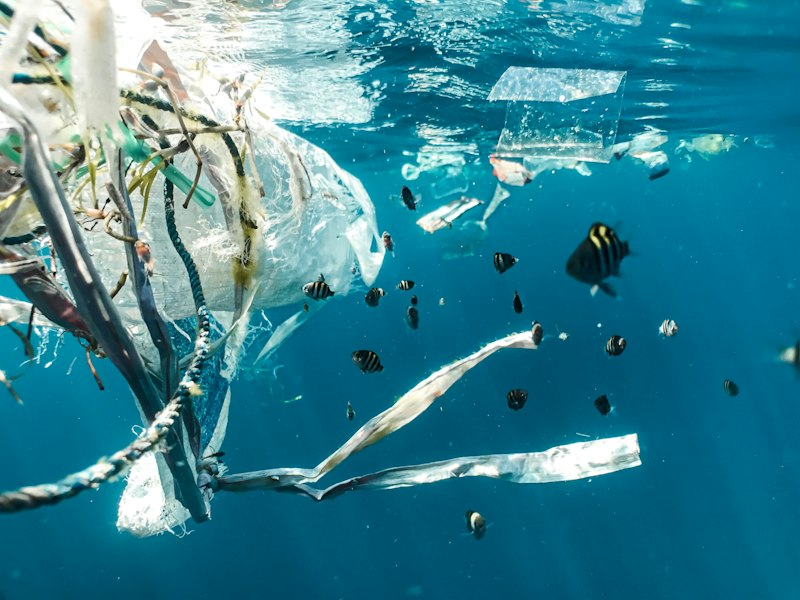
While progress has been made in implementing environmental laws worldwide, challenges remain. Enforcement can be difficult, particularly in regions with limited resources or weak governance. Additionally, emerging issues like plastic pollution and the transition to renewable energy require ongoing adaptation of existing laws.
Conclusion:
Environmental laws serve as a powerful tool in protecting the Earth’s natural resources and combating environmental degradation. They aim to create a sustainable future where human activities harmonize with nature. By understanding and supporting these laws, we can all contribute to the preservation of our beautiful planet for generations to come. Let us embrace the collective responsibility to safeguard our environment and foster a greener and healthier world.
Global Environmental Laws: A Comparative Analysis of Key Legislation in Different Countries
Introduction:
Have you ever wondered how different countries tackle environmental issues? With the increasing global concern for the environment, it’s crucial to understand the various approaches taken by nations around the world. In this article, we will delve into a comparative analysis of key environmental legislation across different countries, shedding light on their unique strategies to protect our planet.
United States: Leading the Way in Environmental Protection
The United States has long been at the forefront of environmental protection efforts. The Clean Air Act and Clean Water Act are two landmark legislations that have significantly improved air and water quality. These acts aim to regulate emissions from industries, safeguarding public health and preserving natural resources.
Germany: A Pioneer in Renewable Energy
Germany has made remarkable strides in adopting renewable energy sources. The country’s Feed-in Tariff (FIT) system promotes the generation of renewable electricity, allowing individuals and businesses to sell surplus power back to the grid. By incentivizing clean energy production, Germany has become a global leader in reducing greenhouse gas emissions.
Brazil: Safeguarding the Amazon Rainforest
When it comes to protecting precious ecosystems, Brazil stands out with its environmental legislation. The Forest Code imposes strict regulations on deforestation, requiring landowners to preserve a certain percentage of their property as protected forest areas. This legislation plays a vital role in safeguarding the Amazon rainforest, often referred to as the “lungs of the Earth.”
India: Balancing Development and Conservation
In India, sustainable development is a key focus. The country’s Forest Rights Act recognizes and protects the rights of indigenous communities over forest lands, ensuring their involvement in conservation efforts. Additionally, the National Green Tribunal Act establishes a specialized environmental court to address environmental disputes promptly and effectively.
China: Combating Air Pollution
China has faced significant challenges due to rapid industrialization and urbanization. However, the country has implemented comprehensive measures to combat air pollution. The Air Pollution Prevention and Control Action Plan sets ambitious targets to reduce emissions and improve air quality. China’s commitment to transitioning to clean energy sources demonstrates a determined effort to tackle environmental challenges.
Conclusion:
As we can see, countries worldwide have implemented unique environmental legislation to address the critical issue of protecting our planet. From the United States’ focus on air and water quality to Germany’s emphasis on renewable energy, each country has its own approach. Understanding these diverse strategies can inspire collaborative efforts and facilitate the exchange of knowledge, ultimately leading to a more sustainable future for all.
Breaking Ground: How Environmental Laws Are Evolving to Tackle Climate Change
Climate change is a pressing global issue that demands immediate action. As the world grapples with its consequences, environmental laws are evolving to address this urgent challenge. In this article, we will explore how these laws are breaking new ground to combat climate change and protect our planet for future generations.
One of the key developments in environmental law is the increasing focus on reducing greenhouse gas emissions. Governments around the world are implementing regulations and setting targets to limit carbon dioxide and other harmful pollutants. These measures aim to curb the activities that contribute most significantly to climate change, such as burning fossil fuels and deforestation. By enforcing stricter emission standards and promoting cleaner energy alternatives, countries can make significant strides towards mitigating climate change.
Another important aspect of evolving environmental laws is the protection of ecosystems and biodiversity. Many habitats and species are threatened by the changing climate, which disrupts their natural balance. To safeguard these invaluable resources, governments are implementing measures to conserve and restore ecosystems. This includes creating protected areas, implementing wildlife conservation programs, and promoting sustainable land and resource management practices. By preserving biodiversity, we can enhance the resilience of ecosystems and mitigate the adverse effects of climate change.
Furthermore, environmental laws are increasingly recognizing the need for adaptation strategies. As the impacts of climate change become more apparent, societies must adapt to ensure their continued well-being. This involves developing infrastructure that can withstand extreme weather events, promoting resilient agriculture and water management practices, and implementing early warning systems. By integrating climate adaptation into legal frameworks, countries can better prepare themselves to face the challenges posed by a changing climate.
environmental laws are evolving to tackle climate change head-on. From reducing greenhouse gas emissions to protecting ecosystems and promoting adaptation strategies, these laws play a vital role in safeguarding our planet. However, addressing climate change requires collective effort from governments, businesses, and individuals alike. By working together and adhering to these evolving laws, we can break new ground in our fight against climate change and create a sustainable future for generations to come.
The Green Revolution: Major Overhauls in Environmental Legislation Across the Globe
The world is undergoing a profound transformation marked by major overhauls in environmental legislation. Governments across the globe have recognized the urgent need to address the pressing issues of climate change, pollution, and biodiversity loss. As a result, they are implementing significant changes to their legal frameworks to pave the way for a greener future.
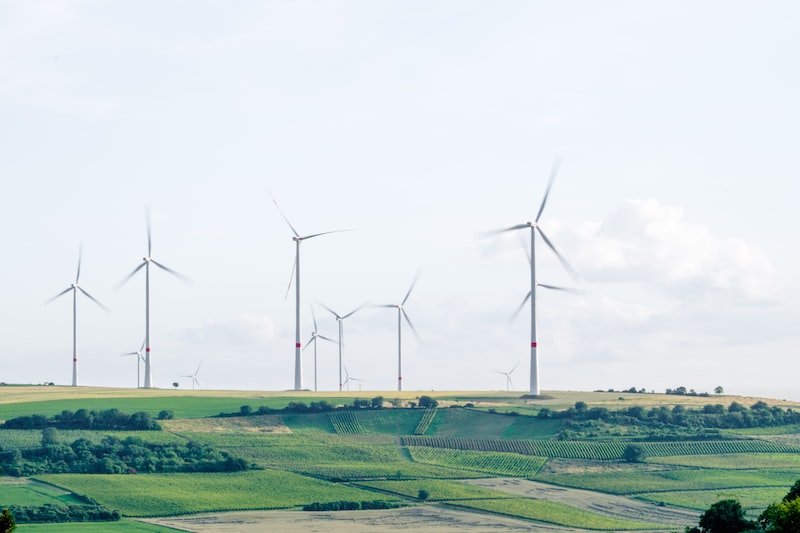
One key aspect of this green revolution is the focus on renewable energy sources. Countries are adopting policies to promote the use of clean and sustainable energy alternatives such as solar, wind, and hydro power. By transitioning away from fossil fuels, these nations aim to reduce greenhouse gas emissions and combat climate change effectively.
Another crucial area receiving attention is waste management. Governments are introducing stricter regulations to minimize waste generation and encourage recycling and proper disposal practices. The aim is to decrease the amount of waste that ends up in landfills or pollutes our oceans, thereby protecting both human health and the environment.
Moreover, biodiversity conservation is taking center stage in environmental legislation. Governments are creating protected areas and wildlife reserves to safeguard delicate ecosystems and endangered species. These measures help maintain ecological balance, preserve natural habitats, and prevent the irreversible loss of biodiversity.
In addition to national efforts, international collaborations are becoming increasingly important. Countries are joining forces to tackle transboundary environmental issues that require collective action. Agreements like the Paris Agreement on climate change and the Convention on Biological Diversity highlight the global commitment to address environmental challenges together.
However, challenges remain in implementing and enforcing these new environmental laws. Governments need to ensure effective monitoring and enforcement mechanisms to guarantee compliance. Public awareness and education also play a vital role in fostering a culture of environmental responsibility among individuals and businesses.
the green revolution is driving significant changes in environmental legislation worldwide. With a focus on renewable energy, waste management, and biodiversity conservation, governments are leading the charge toward a more sustainable and environmentally friendly future. By working together and taking concrete actions, we can safeguard our planet for generations to come.
From Paris to Beijing: Examining the Global Impact of Climate Agreements on Environmental Laws
When it comes to the global impact of climate agreements on environmental laws, the journey from Paris to Beijing is a fascinating one. These agreements have played a crucial role in shaping the way nations address environmental concerns and work towards a sustainable future. Let’s take a closer look at how these agreements have influenced environmental laws worldwide.
The Paris Agreement, signed in 2015, was a landmark moment in the fight against climate change. It brought together nearly 200 countries to commit to reducing greenhouse gas emissions and limiting global warming to well below 2 degrees Celsius. This agreement served as a catalyst for countries to strengthen their environmental laws and policies.
In recent years, China has emerged as a key player in global climate action. As the world’s largest emitter of greenhouse gases, China’s commitment to environmental sustainability carries significant weight. The country has made substantial efforts to align its domestic laws with international climate goals. For example, China has implemented stricter regulations on air and water pollution, promoted renewable energy sources, and set ambitious targets for carbon reduction.
The impact of climate agreements goes beyond individual countries. They create a ripple effect that encourages other nations to follow suit. When major economies such as the United States, European Union, and China take steps towards more sustainable practices, it sends a powerful message to the rest of the world. Smaller nations are inspired to enhance their own environmental laws and contribute to the global effort.
One of the key aspects of climate agreements is the emphasis on transparency and accountability. Countries are required to regularly report their progress in reducing emissions and implementing environmental measures. This not only promotes cooperation but also allows for peer pressure, as nations strive to avoid being seen as laggards in the global race towards sustainability.
the global impact of climate agreements on environmental laws cannot be overstated. From Paris to Beijing and beyond, these agreements have spurred nations into action, resulting in strengthened environmental legislation and policies worldwide. As we continue on this journey, it is essential for countries to stay committed and work collaboratively towards a greener and more sustainable future.